Selecting the Right Material for 3D Printing

Content in this Article
Material Selection cannot be selected from the highest datasheet value alone. Service temperature, load, chemical exposure, process and inspection method define the practical shortlist.
- Define function, environment, quantity and risk before selecting a material or process.
- Treat typical values as comparison points; confirm the exact grade and supplier capability before release.
- Use a first article or pilot lot to verify dimensions, function and records before scaling.
Define the decision
Document function, environment, quantity and risk so every option is compared against the same requirement.
The Four Material Families You Actually Choose Between
Every additive material you will specify falls into one of four families, and each family couples to a narrow set of processes. Understanding the family first — before you go chasing a specific grade — keeps the conversation productive when a supplier tells you PA12 is unavailable for six weeks and offers PA11 instead.
Material Selection evaluation flow
Define requirements, narrow the material and process, then verify with a consistent acceptance method.
- 1Requirements
Function, environment, quantity and risk
- 2Options
Material, process, design controls and finishing
- 3Acceptance
Dimensions, functional tests and production records
Compare the practical options
Compare material, process, design controls and finishing together—not unit price alone.
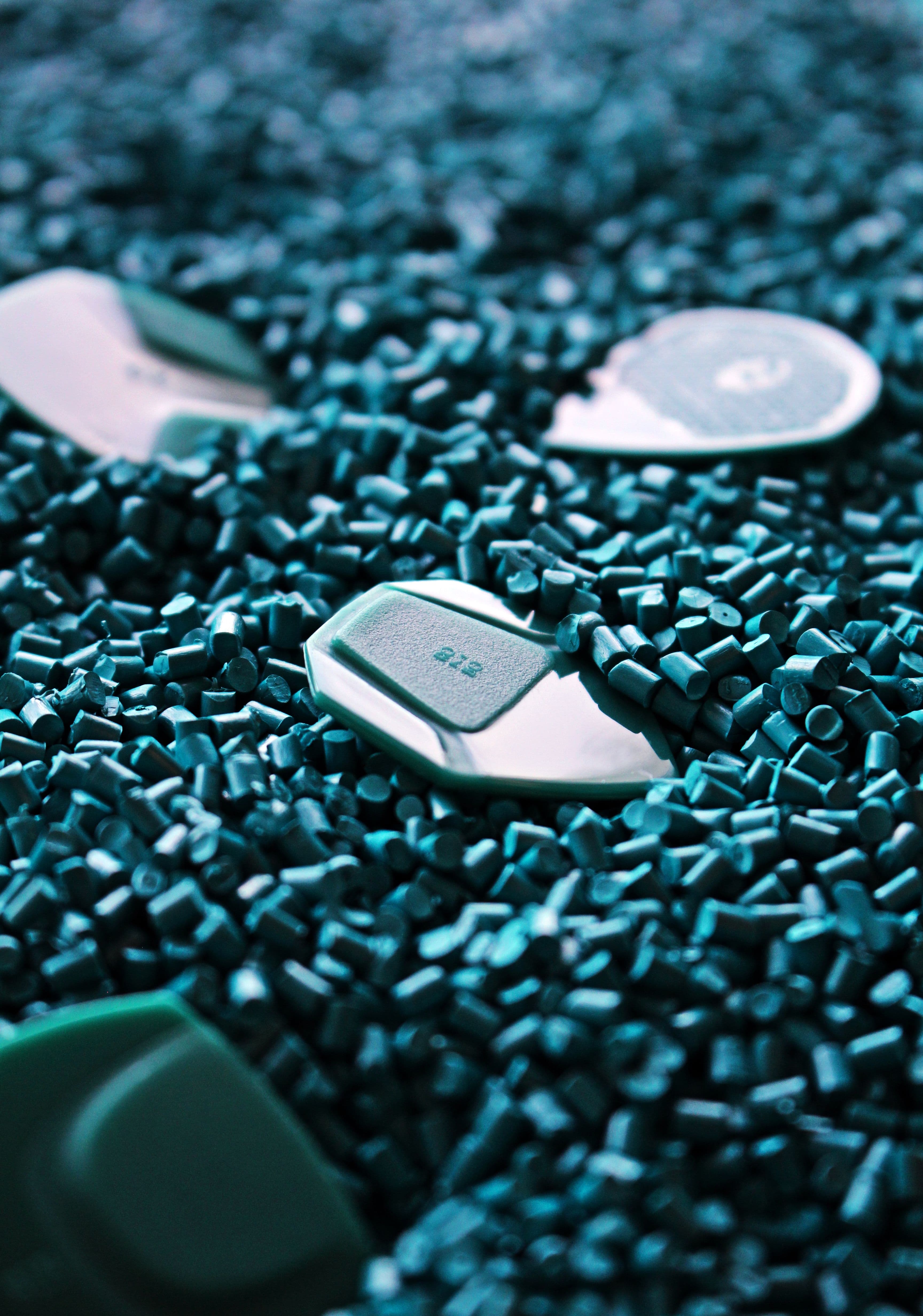
Photopolymers: When Surface and Detail Are the Job
Photopolymers cure layer by layer under UV, producing the smoothest surfaces and the tightest features additive can deliver — feature walls down to 0. 3 mm and surface roughness under 3 µm Ra on SLA.
Within the family, pick by mechanical target rather than vendor name. Tough/Durable resins hit around 45 MPa tensile, high-temp grades hold shape to 200 °C briefly, elastomeric resins print 60A–80A durometer gaskets, and biocompatible dental and medical grades cover IPL sterilisation.

Validate before scaling
Before scaling, verify dimensions, function and records with one controlled method across representative lots.
Metal Powders: When the Part Must Survive Production
| Alloy | Best at | Watch out for | Typical post-processing |
|---|---|---|---|
| 17-4 PH stainless | General prototypes, brackets | Hydrogen pickup in printing | Solution + H900 age |
| AlSi10Mg | Lightweight structural, heat sinks | Low fatigue vs wrought | T6 heat treat |
| Ti-6Al-4V Grade 23 | Implants, aero brackets | Oxygen pickup, cost | HIP + stress relief |
| Inconel 625 / 718 | Hot gas path, exhaust | Residual stress cracking | HIP + age |
| 316L stainless | Marine, food, medical | Soft as-printed | Solution anneal |
Pre-RFQ review: recommended practice and common mistakes
| Recommended practice | Common mistake |
|---|---|
| Document function, environment, quantity and risk | Select from a material name or machine specification alone |
| Review material, process, design controls and finishing together | Address manufacturing limits only after design freeze |
| Inspect critical dimensions and function on the first article | Scale production from visual approval alone |
| Keep material, revision and inspection records | Reuse old results after a material or process change |
- Function, environment, quantity and risk are documented
- Material, process, design controls and finishing are reviewed with the supplier
- Critical dimensions, appearance and functional acceptance are on the drawing or RFQ
- First-article or pilot-lot verification is planned
- Material, process and revision changes trigger a new review
FAQ, further reading and sources
What should be defined first for Material Selection?
Start with function, environment, quantity and acceptance criteria. These inputs narrow the practical options faster than naming a machine or material first.
Can typical values in this article be released directly on a drawing?
No. Use them for early comparison, then confirm the exact grade, supplier capability and first-article result.
When is the process ready to scale?
Scale only after material, process, finishing and inspection are controlled and repeatable across representative lots.
Next, explore 3D printing services, CNC machining, materials, and the related reports linked on this page.