Prototyping and Low-Volume Production for Medical Applications

Content in this Article
Medical process selection must align with the regulatory path, material evidence, validation plan and change control. Early models can favor speed; representative test parts require controlled records.
- Define function, environment, quantity and risk before selecting a material or process.
- Treat typical values as comparison points; confirm the exact grade and supplier capability before release.
- Use a first article or pilot lot to verify dimensions, function and records before scaling.

Define the decision
Document function, environment, quantity and risk so every option is compared against the same requirement.
The FDA, MDR, and PMDA Pathways Decide Your Timeline
The regulatory pathway is not a final-stage hurdle — it is a design input that changes which prototypes you build and what data you collect. A Class II device going through FDA 510(k) with a strong predicate needs substantial-equivalence evidence, a design history file, and a modest clinical bundle.
| Pathway | Risk class | Typical review time | Clinical evidence | Prototype implication |
|---|---|---|---|---|
| FDA 510(k) | Class I / II | 95–180 days | substantial equivalence | 1 locked DV batch, 30–60 units |
| FDA De Novo | Class I / II novel | 10–14 months | performance + limited clinical | multiple clinical-grade iterations |
| FDA PMA | Class III | 180–320 days | pivotal trial | GMP-built clinical supply, 200+ units |
| EU MDR Class IIa/b | equivalent | 6–12 months via NB | CER + PMCF | NB-witnessed build readiness |
| EU MDR Class III | implantable / critical | 12–18 months via NB | full clinical investigation | design freeze 12+ months early |
Biocompatibility and Materials Selection Under ISO 10993
| Material | Typical use | Key ISO 10993 data | Sterilisation compatibility |
|---|---|---|---|
| Ti-6Al-4V ELI (AM or wrought) | orthopaedic, dental implants | implantation, genotox | steam, gamma |
| CoCrMo (cast / DMLS) | dental frameworks, joint | long-term implant | steam, gamma |
| PEEK (machined / injection) | spinal cages, instruments | implant >30 d | steam, gamma, EO |
| Medical silicone LSR | masks, seals, skin contact | cytotox, sensitisation | steam, EO, gamma |
| Polycarbonate Makrolon Rx | housings, connectors | cytotox, limited contact | EO, gamma, e-beam |
Medical evaluation flow
Define requirements, narrow the material and process, then verify with a consistent acceptance method.
- 1Requirements
Function, environment, quantity and risk
- 2Options
Material, process, design controls and finishing
- 3Acceptance
Dimensions, functional tests and production records
Compare the practical options
Compare material, process, design controls and finishing together—not unit price alone.
Sterilisation Validation Under ISO 11135, 11137, and 17665
| Method | Standard | Typical cycle | Good for | Avoid with |
|---|---|---|---|---|
| Ethylene oxide (EO) | ISO 11135 | 14–26 h, 37–63 C | polymers, electronics | gas-trapping geometry |
| Gamma irradiation | ISO 11137 | 25 kGy single pass | single-use plastics | POM, PTFE, some silicones |
| Steam autoclave | ISO 17665 | 121 C 30 min or 134 C 4 min | metals, PEEK, silicone | PLA, PC under high humidity |
| E-beam | ISO 11137 | 25–40 kGy | thin-wall polymers | dense assemblies |
| Vaporised H2O2 | ISO 22441 | 28–55 min low temp | heat-sensitive devices | cellulose, deep lumens |
Matching Process to Device Class and Volume
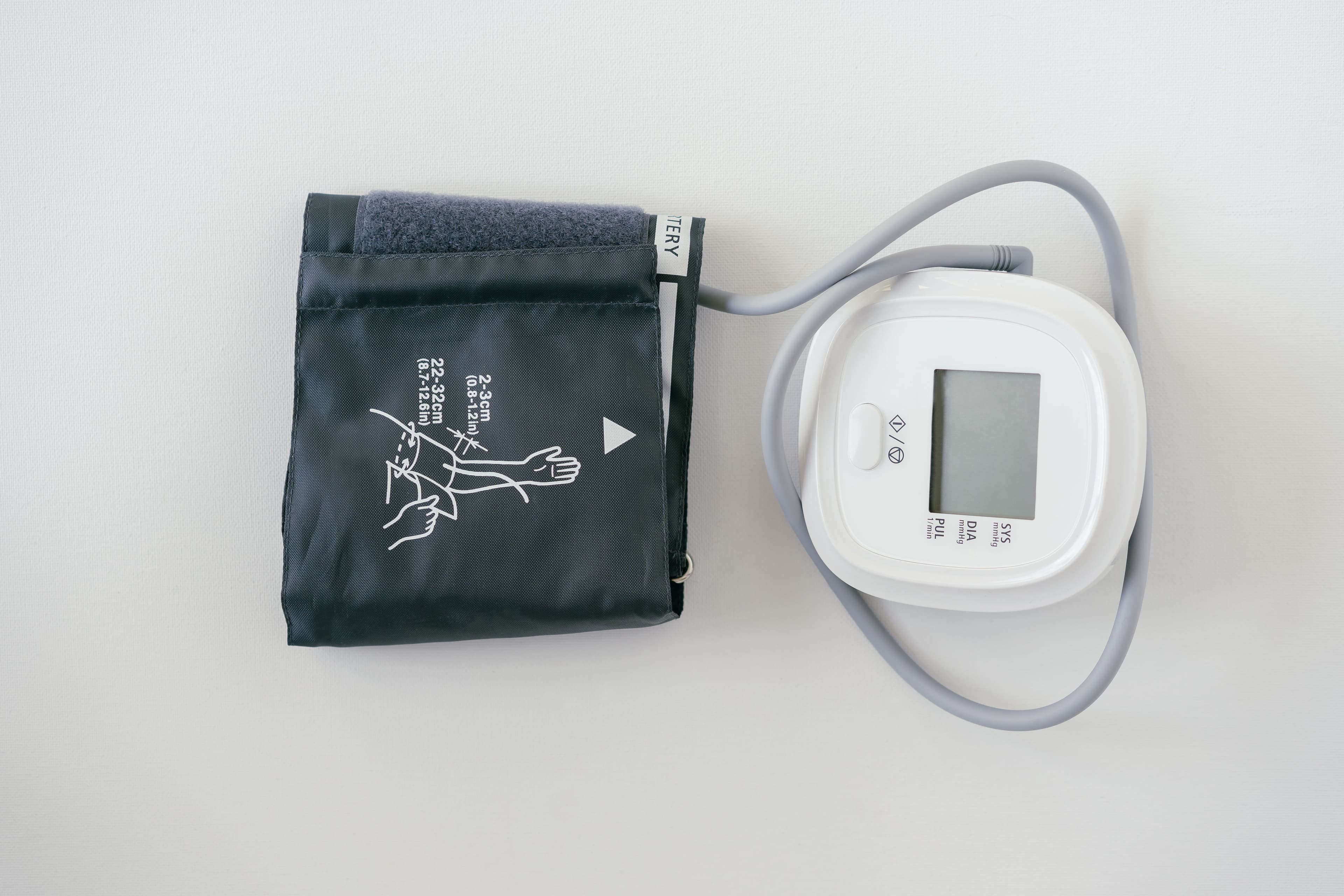
Medical low-volume production lives in the awkward range between 50 and 20,000 units per year — too small to justify multi-cavity hard tooling, too large for pure one-off additive. The right process depends on the device class, the material-sterilisation pair, and the regulatory pathway.
Validate before scaling
Before scaling, verify dimensions, function and records with one controlled method across representative lots.
Medical Programme Mistakes That Cost Six-Month Delays
| Mistake | Why it fails | How to avoid |
|---|---|---|
| Picking a resin on mechanical specs alone | Fails EO residuals or gamma discoloration | Freeze sterilisation first, then select resin |
| Building DV units outside the QMS | FDA rejects design validation data | Bring suppliers into ISO 13485 flow-down at RFQ |
| Material change during DV | Triggers fresh ISO 10993 battery | Lock BOM at design freeze, cost the change |
| Skipping usability per IEC 62366-1 | De Novo reviewer cites inadequate HFE | Plan formative and summative studies at PDR |
| No master record tying lots to serials | DHR gaps during FDA inspection | Deploy electronic DHR from first DV unit |
Habits That Move a 510(k) From 180 to 95 Days
| recommended practice | common mistake |
|---|---|
| Write the intended use statement before CAD | Copy the predicate and adjust later |
| Select a predicate with a clean 510(k) file | Chase a predicate with FDA observations |
| Build DV units on production-intent tooling | Test validation units built by a prototype house |
| Align sterilisation, packaging, shelf-life testing concurrently | Serialise them and add 7 months |
| Deploy UDI infrastructure at DV | Retrofit UDI at launch-minus-two-weeks |
Pre-RFQ review: recommended practice and common mistakes
| Recommended practice | Common mistake |
|---|---|
| Document function, environment, quantity and risk | Select from a material name or machine specification alone |
| Review material, process, design controls and finishing together | Address manufacturing limits only after design freeze |
| Inspect critical dimensions and function on the first article | Scale production from visual approval alone |
| Keep material, revision and inspection records | Reuse old results after a material or process change |
- Function, environment, quantity and risk are documented
- Material, process, design controls and finishing are reviewed with the supplier
- Critical dimensions, appearance and functional acceptance are on the drawing or RFQ
- First-article or pilot-lot verification is planned
- Material, process and revision changes trigger a new review
FAQ, further reading and sources
What should be defined first for Medical?
Start with function, environment, quantity and acceptance criteria. These inputs narrow the practical options faster than naming a machine or material first.
Can typical values in this article be released directly on a drawing?
No. Use them for early comparison, then confirm the exact grade, supplier capability and first-article result.
When is the process ready to scale?
Scale only after material, process, finishing and inspection are controlled and repeatable across representative lots.
Next, explore 3D printing services, CNC machining, materials, and the related reports linked on this page.