Data, Digital Threads, and Industry 4.0
Content in this Article
Industry 4.0 should start with a measurable manufacturing problem, not a software purchase. Define the data source, owner and success metric, then prove the workflow with a focused pilot.
- Define function, environment, quantity and risk before selecting a material or process.
- Treat typical values as comparison points; confirm the exact grade and supplier capability before release.
- Use a first article or pilot lot to verify dimensions, function and records before scaling.
Define the decision
Document function, environment, quantity and risk so every option is compared against the same requirement.
What Industry 4.0 Actually Means on the Shop Floor
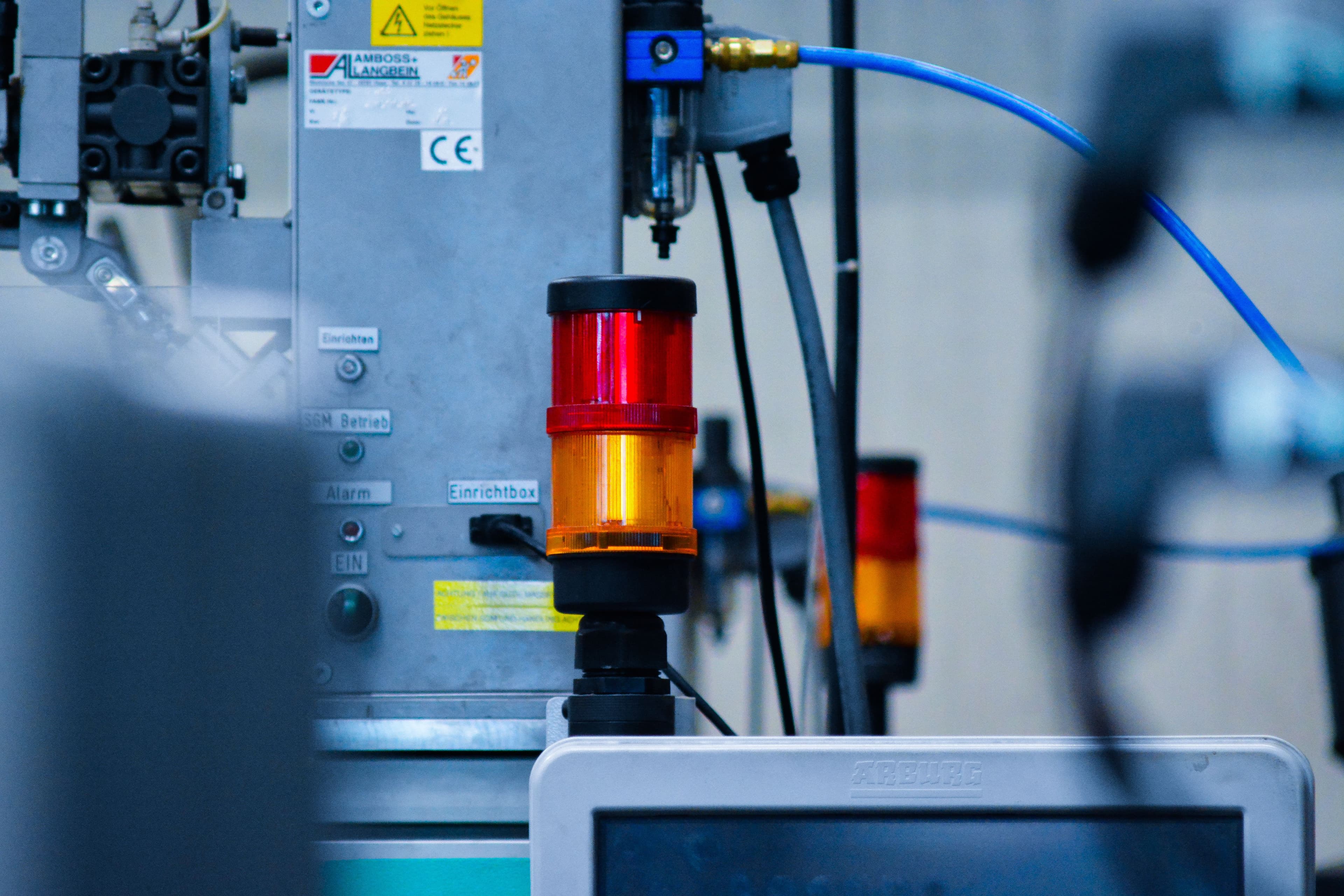
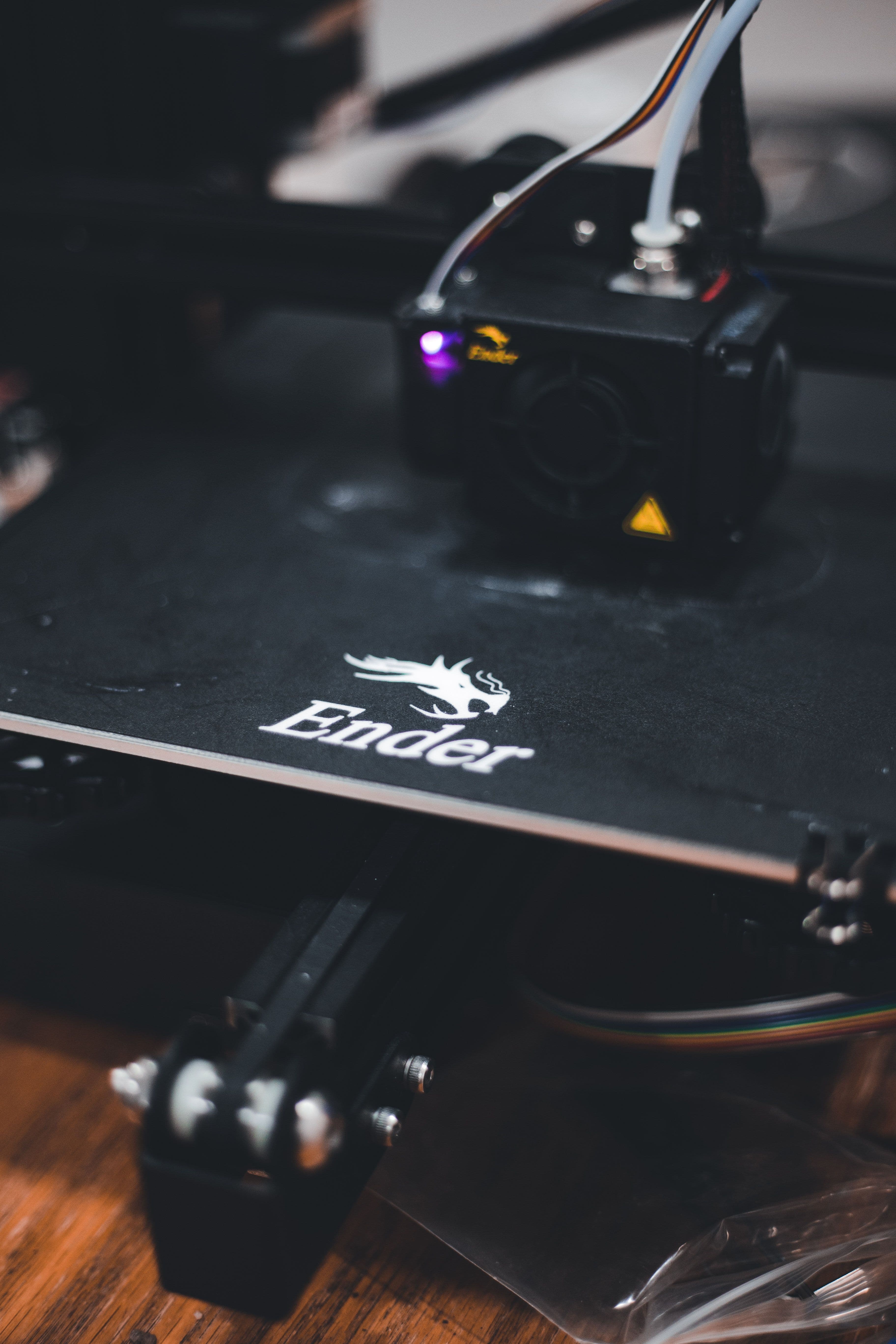
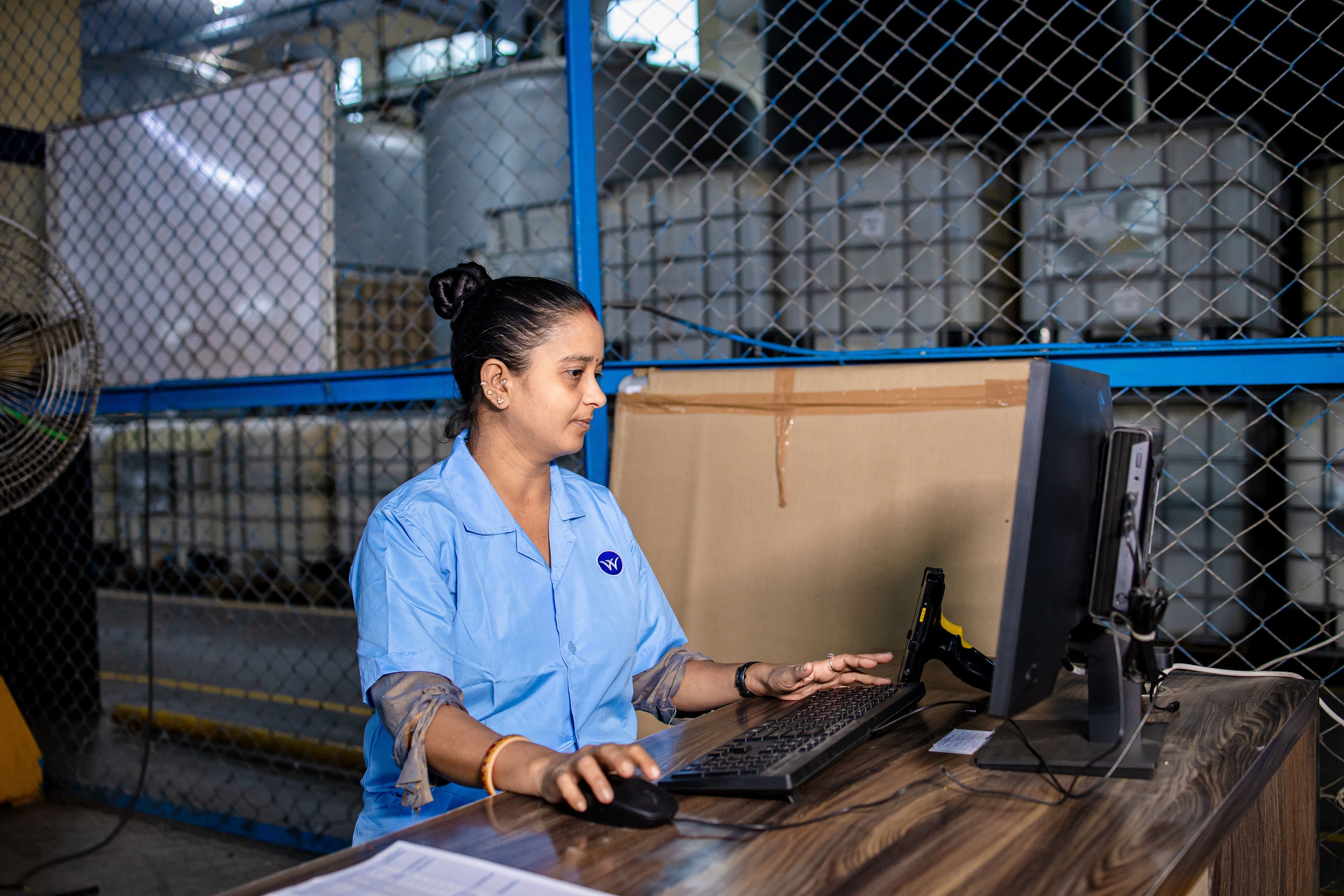
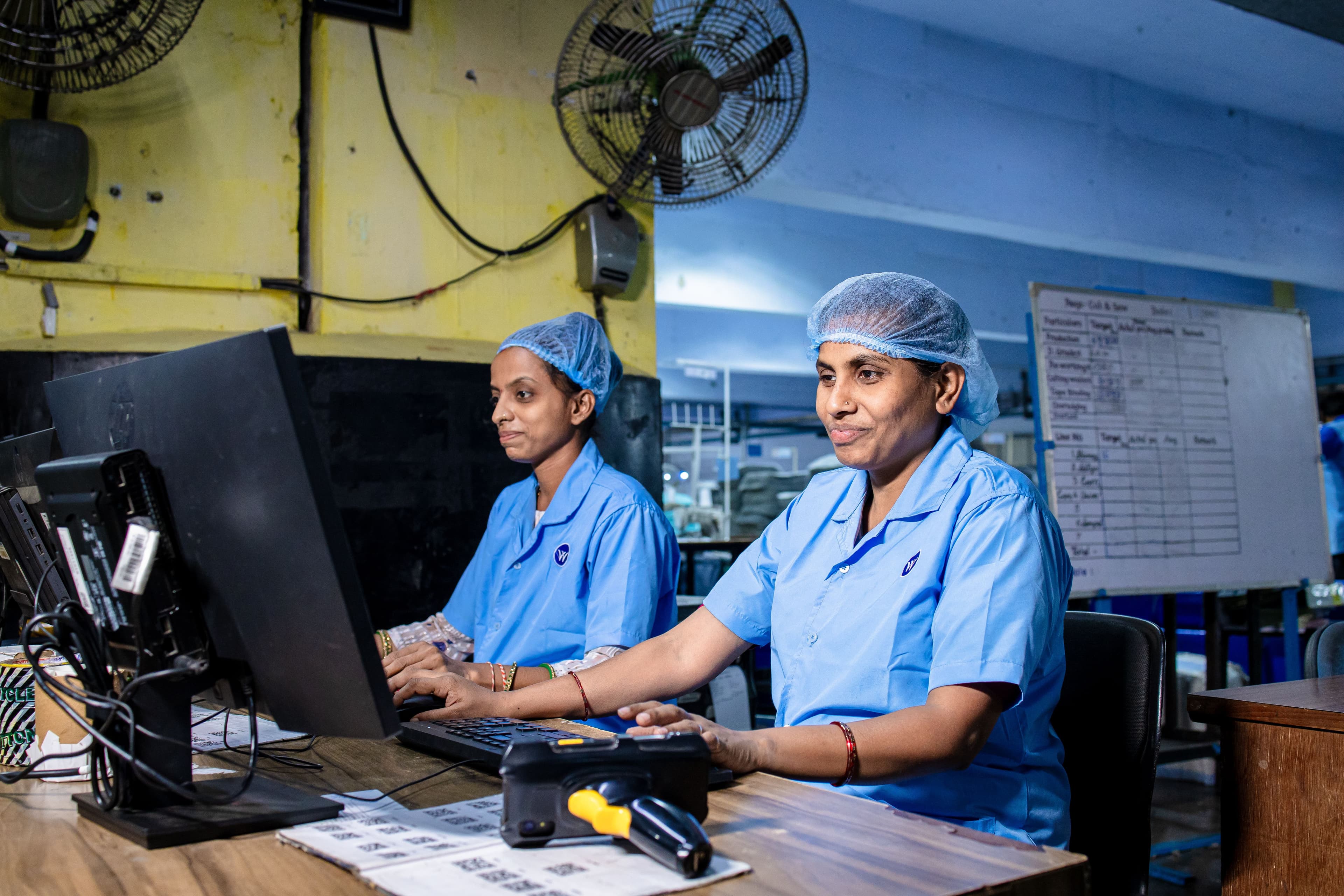
Strip the marketing and Industry 4. 0 is a single claim: machines, sensors, and software share enough data that the factory behaves like one integrated computer.
The Digital Thread as Connective Tissue
A digital thread is the continuous record of every decision, measurement, and event in a part's life — from first CAD sketch to end-of-service. In a mature factory, every question below resolves to a database query, not an archaeology project through email and paper travellers.
| Question | Without digital thread | With digital thread | Typical time saved |
|---|---|---|---|
| Which CAD revision built this batch? | Email archaeology, 2–4 hours | Serial lookup, 10 seconds | ~3 hours |
| Which material lot is in serial 0427? | Paper traveller, 1–2 days | ERP join, instant | ~1.5 days |
| What process parameters ran when this failed? | Often unrecoverable | MES replay, 1 minute | Hours to days |
| Which supplier shipped this subcomponent? | Purchasing lookup, half day | Supply-chain join, seconds | ~4 hours |
| All parts made on tool T-12 since last PM? | Manual log scrape, 1 day | Query by tool ID, seconds | ~1 day |
Industry 4.0 evaluation flow
Define requirements, narrow the material and process, then verify with a consistent acceptance method.
- 1Requirements
Function, environment, quantity and risk
- 2Options
Material, process, design controls and finishing
- 3Acceptance
Dimensions, functional tests and production records
Compare the practical options
Compare material, process, design controls and finishing together—not unit price alone.
Digital Twins and Where They Pay Back
A digital twin is a living model of a specific physical asset — a spindle, a line, a deployed product — fed by real-time data and simulation. Most twin projects that fail recommended practice so because teams build a twin of something that doesn't hurt enough.
Validate before scaling
Before scaling, verify dimensions, function and records with one controlled method across representative lots.
Pre-RFQ review: recommended practice and common mistakes
| Recommended practice | Common mistake |
|---|---|
| Document function, environment, quantity and risk | Select from a material name or machine specification alone |
| Review material, process, design controls and finishing together | Address manufacturing limits only after design freeze |
| Inspect critical dimensions and function on the first article | Scale production from visual approval alone |
| Keep material, revision and inspection records | Reuse old results after a material or process change |
- Function, environment, quantity and risk are documented
- Material, process, design controls and finishing are reviewed with the supplier
- Critical dimensions, appearance and functional acceptance are on the drawing or RFQ
- First-article or pilot-lot verification is planned
- Material, process and revision changes trigger a new review
FAQ, further reading and sources
What should be defined first for Industry 4.0?
Start with function, environment, quantity and acceptance criteria. These inputs narrow the practical options faster than naming a machine or material first.
Can typical values in this article be released directly on a drawing?
No. Use them for early comparison, then confirm the exact grade, supplier capability and first-article result.
When is the process ready to scale?
Scale only after material, process, finishing and inspection are controlled and repeatable across representative lots.
Next, explore 3D printing services, CNC machining, materials, and the related reports linked on this page.