Reducing Risk Through On-Demand Manufacturing
Content in this Article
On-Demand Manufacturing is useful only when critical parts can actually switch during a disruption. Map single-source exposure, recovery time and qualification cost before choosing a backup strategy.
- Define function, environment, quantity and risk before selecting a material or process.
- Treat typical values as comparison points; confirm the exact grade and supplier capability before release.
- Use a first article or pilot lot to verify dimensions, function and records before scaling.
Define the decision
Document function, environment, quantity and risk so every option is compared against the same requirement.
What On-Demand Manufacturing Actually Is
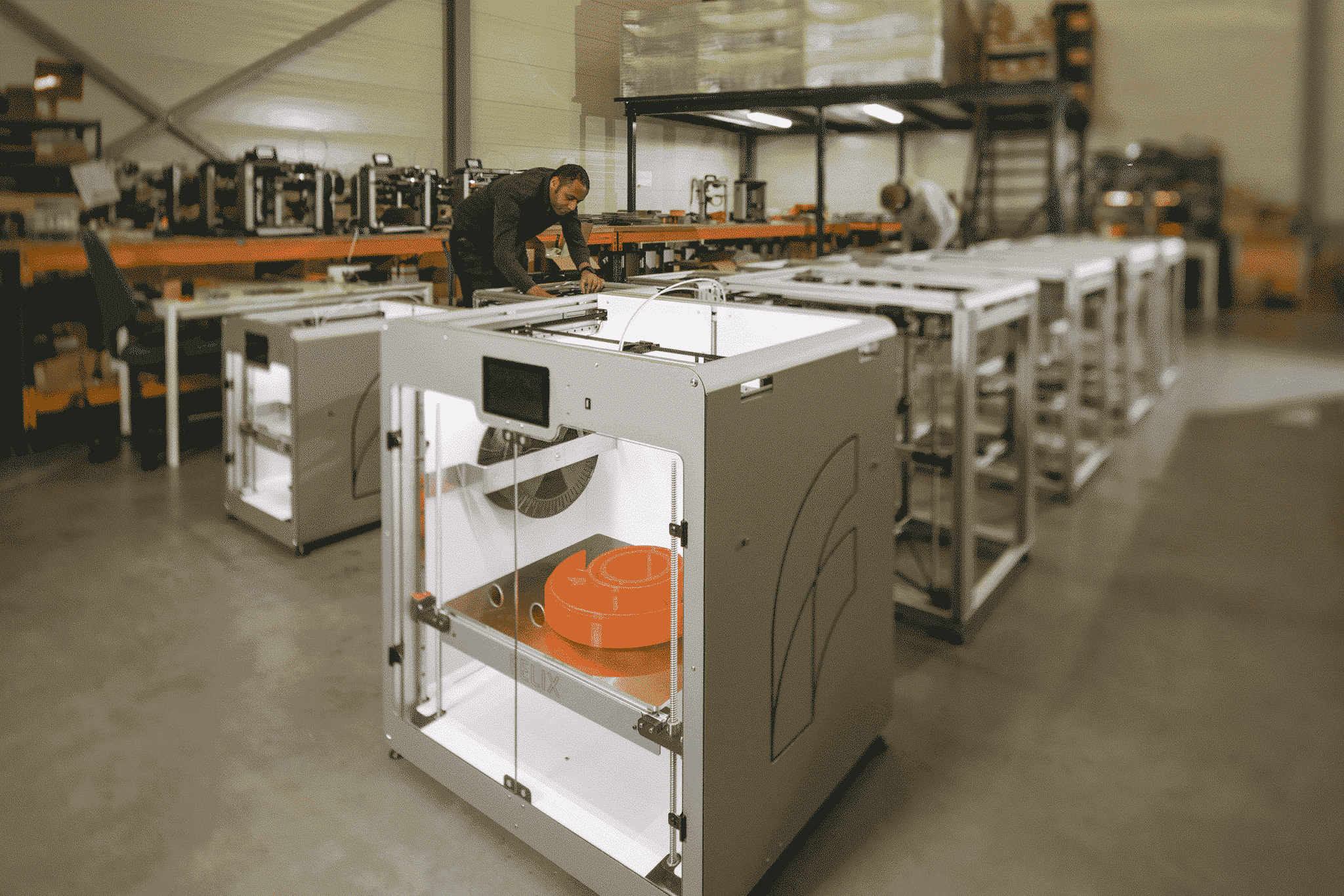
An on-demand manufacturer maintains a network of CNC mills, injection presses, sheet-metal lines and industrial 3D printers that can accept a new CAD file without setup fees, tooling commitment or minimum order. Quoting is automated, usually under a minute; scheduling routes the job onto whichever machine has open capacity; shipping happens when the part is done.
On-Demand Manufacturing evaluation flow
Define requirements, narrow the material and process, then verify with a consistent acceptance method.
- 1Requirements
Function, environment, quantity and risk
- 2Options
Material, process, design controls and finishing
- 3Acceptance
Dimensions, functional tests and production records
Compare the practical options
Compare material, process, design controls and finishing together—not unit price alone.
Four Mechanisms That Move the Risk Curve
On-demand does not eliminate risk; it changes the shape of the curve. The gains come from four specific mechanisms, each of which trades a little unit cost for a lot of optionality.
Validate before scaling
Before scaling, verify dimensions, function and records with one controlled method across representative lots.
Pre-RFQ review: recommended practice and common mistakes
| Recommended practice | Common mistake |
|---|---|
| Document function, environment, quantity and risk | Select from a material name or machine specification alone |
| Review material, process, design controls and finishing together | Address manufacturing limits only after design freeze |
| Inspect critical dimensions and function on the first article | Scale production from visual approval alone |
| Keep material, revision and inspection records | Reuse old results after a material or process change |
- Function, environment, quantity and risk are documented
- Material, process, design controls and finishing are reviewed with the supplier
- Critical dimensions, appearance and functional acceptance are on the drawing or RFQ
- First-article or pilot-lot verification is planned
- Material, process and revision changes trigger a new review
FAQ, further reading and sources
What should be defined first for On-Demand Manufacturing?
Start with function, environment, quantity and acceptance criteria. These inputs narrow the practical options faster than naming a machine or material first.
Can typical values in this article be released directly on a drawing?
No. Use them for early comparison, then confirm the exact grade, supplier capability and first-article result.
When is the process ready to scale?
Scale only after material, process, finishing and inspection are controlled and repeatable across representative lots.
Next, explore 3D printing services, CNC machining, materials, and the related reports linked on this page.